



How Does Laser Cutting of Stainless Steel Products Reshape the Quality of Metal Processing?
Release Time : 2026-01-15
In high-end manufacturing, medical devices, food machinery, architectural decoration, and precision instruments, stainless steel is widely used due to its excellent corrosion resistance, high strength, and aesthetically pleasing surface. However, traditional cutting processes such as shearing, stamping, or plasma cutting often suffer from bottlenecks such as numerous burrs, large thermal deformation, and low efficiency when dealing with complex shapes, thin materials, or high-precision requirements. With the rapid development of laser technology, laser cutting of stainless steel products, with its advantages of "high precision, high efficiency, and high flexibility," is comprehensively reshaping the quality standards of metal processing, becoming a key driver for modern manufacturing towards intelligence and refinement.
1. Micron-level Precision: Achieving Perfect Reproduction of Complex Geometric Shapes
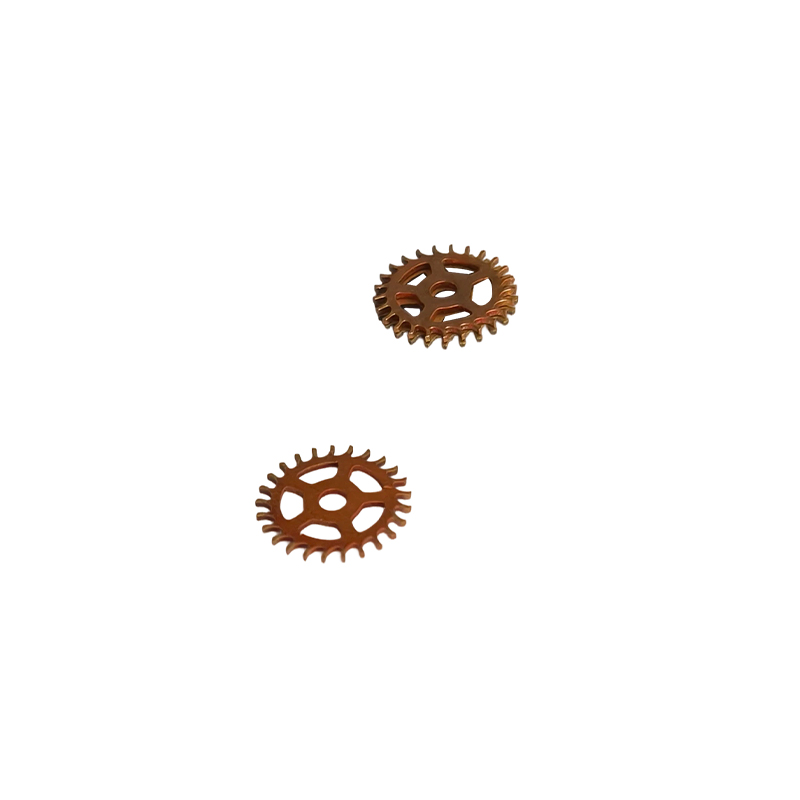
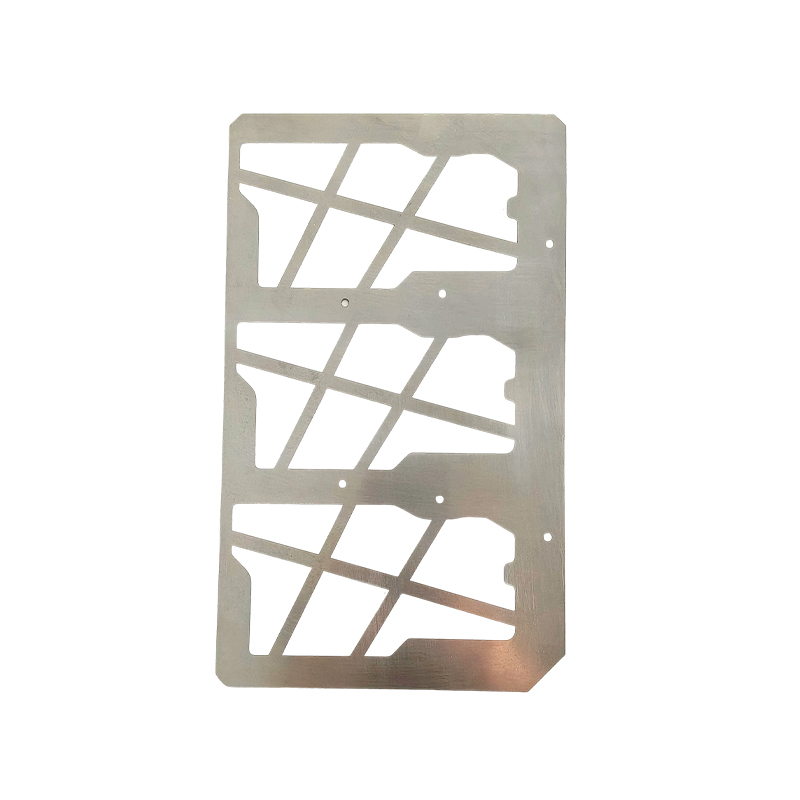
Fiber laser cutting machines can focus spot diameters as small as 0.1mm. Combined with a high-dynamic-response servo control system, they can precisely cut intricate holes, sharp angles, inner contours, and irregular curves on stainless steel sheets, with dimensional tolerances controlled within ±0.05mm. Whether it's miniature stents in medical devices or perforated decorative patterns on building facades, laser cutting faithfully reproduces the design intent, eliminating the need for subsequent grinding or finishing. This "one-step forming, no secondary processing" capability not only improves product consistency but also significantly shortens the production cycle.
2. Narrow Heat-Affected Zone: Ensuring Material Performance and Surface Quality
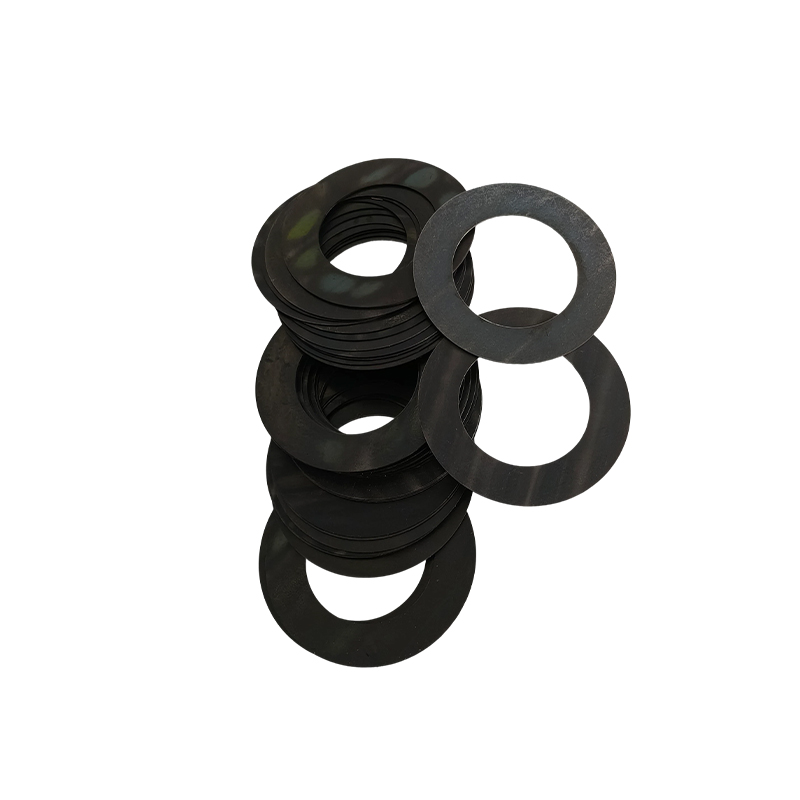
Stainless steel is heat-sensitive, and traditional thermal cutting easily leads to intergranular corrosion or surface oxidation and discoloration. Laser cutting, however, uses high energy density and short pulses, resulting in concentrated heat input for an extremely short time. The width of the heat-affected zone is typically less than 0.1mm, effectively preventing material degradation. The cut surface is smooth and flat, free of slag and cracks, making it particularly suitable for processing thin sheets of austenitic stainless steel such as 304 and 316L. For stainless steel sheets with mirror or brushed surfaces, laser cutting can also maintain the integrity of the original finish, meeting the aesthetic requirements of high-end decorative parts.
3. High-Efficiency Flexible Production: Rapid Response to Diverse Variety and Small-Batch Demands
The laser cutting system is driven by CNC programs. Switching between processing tasks only requires changing the drawing file, without changing molds or cutting tools. Different shaped parts can be mixed and cut within the same batch, greatly improving material utilization. Combined with an automated loading and unloading platform and material storage system, continuous unmanned operation can be achieved 24 hours a day. This "flexible manufacturing" model is particularly well-suited to the current market demand for customized, fast-delivery stainless steel products, such as personalized kitchenware, customized elevator panels, or laboratory equipment shells.
4. Green and Clean Processing: Practicing Sustainable Manufacturing Concepts
Laser cutting is a non-contact processing method, without mechanical stress and without generating waste pollution. Auxiliary gases are mostly nitrogen or compressed air, avoiding harmful fumes. Modern equipment also integrates high-efficiency dust removal and fume purification systems to ensure the workshop environment meets occupational health standards. Compared to traditional processes, it consumes less energy, produces less waste, and is quieter, truly achieving "green intelligent manufacturing."
5. Intelligent Upgrade: Connecting the Data Chain from Design to Manufacturing
Advanced laser cutting platforms have been deeply integrated into the Industry 4.0 system. Seamless integration with CAD/CAM software allows design data to be converted into processing paths with a single click; the MES system monitors equipment status, cutting parameters, and yield rates in real time; and remote diagnostics ensures high equipment availability. In the future, combining AI algorithms to optimize cutting strategies will further unleash the potential of laser processing for stainless steel.
In conclusion, laser cutting of stainless steel products is not only a technological upgrade but also a quality revolution. With its extreme precision, superior surface finish, high efficiency, flexibility, and green intelligence, it redefines the upper limit of metal processing, injecting strong momentum into high-end manufacturing. In today's pursuit of high-quality development under "Made in China 2025," laser cutting is undoubtedly the core engine of precision manufacturing for stainless steel.
1. Micron-level Precision: Achieving Perfect Reproduction of Complex Geometric Shapes
Fiber laser cutting machines can focus spot diameters as small as 0.1mm. Combined with a high-dynamic-response servo control system, they can precisely cut intricate holes, sharp angles, inner contours, and irregular curves on stainless steel sheets, with dimensional tolerances controlled within ±0.05mm. Whether it's miniature stents in medical devices or perforated decorative patterns on building facades, laser cutting faithfully reproduces the design intent, eliminating the need for subsequent grinding or finishing. This "one-step forming, no secondary processing" capability not only improves product consistency but also significantly shortens the production cycle.
2. Narrow Heat-Affected Zone: Ensuring Material Performance and Surface Quality
Stainless steel is heat-sensitive, and traditional thermal cutting easily leads to intergranular corrosion or surface oxidation and discoloration. Laser cutting, however, uses high energy density and short pulses, resulting in concentrated heat input for an extremely short time. The width of the heat-affected zone is typically less than 0.1mm, effectively preventing material degradation. The cut surface is smooth and flat, free of slag and cracks, making it particularly suitable for processing thin sheets of austenitic stainless steel such as 304 and 316L. For stainless steel sheets with mirror or brushed surfaces, laser cutting can also maintain the integrity of the original finish, meeting the aesthetic requirements of high-end decorative parts.
3. High-Efficiency Flexible Production: Rapid Response to Diverse Variety and Small-Batch Demands
The laser cutting system is driven by CNC programs. Switching between processing tasks only requires changing the drawing file, without changing molds or cutting tools. Different shaped parts can be mixed and cut within the same batch, greatly improving material utilization. Combined with an automated loading and unloading platform and material storage system, continuous unmanned operation can be achieved 24 hours a day. This "flexible manufacturing" model is particularly well-suited to the current market demand for customized, fast-delivery stainless steel products, such as personalized kitchenware, customized elevator panels, or laboratory equipment shells.
4. Green and Clean Processing: Practicing Sustainable Manufacturing Concepts
Laser cutting is a non-contact processing method, without mechanical stress and without generating waste pollution. Auxiliary gases are mostly nitrogen or compressed air, avoiding harmful fumes. Modern equipment also integrates high-efficiency dust removal and fume purification systems to ensure the workshop environment meets occupational health standards. Compared to traditional processes, it consumes less energy, produces less waste, and is quieter, truly achieving "green intelligent manufacturing."
5. Intelligent Upgrade: Connecting the Data Chain from Design to Manufacturing
Advanced laser cutting platforms have been deeply integrated into the Industry 4.0 system. Seamless integration with CAD/CAM software allows design data to be converted into processing paths with a single click; the MES system monitors equipment status, cutting parameters, and yield rates in real time; and remote diagnostics ensures high equipment availability. In the future, combining AI algorithms to optimize cutting strategies will further unleash the potential of laser processing for stainless steel.
In conclusion, laser cutting of stainless steel products is not only a technological upgrade but also a quality revolution. With its extreme precision, superior surface finish, high efficiency, flexibility, and green intelligence, it redefines the upper limit of metal processing, injecting strong momentum into high-end manufacturing. In today's pursuit of high-quality development under "Made in China 2025," laser cutting is undoubtedly the core engine of precision manufacturing for stainless steel.